Case · 2017–2018 · Director of Product
Waves
A wallet, an exchange and a token launcher, in one app, in 2017.
- The problem
- In 2017 most crypto sat on exchanges that held it for you; trading from your own wallet, or issuing a token, meant a command line.
- What I did
- Set product and design direction for the new Waves Client, a wallet, a decentralised exchange and a token launcher in one app, and directed the identity ONY designed.
- What happened
- 330,000 active wallets and 90,000 traders during the beta. It left beta in July 2018 after 53 releases, four months before Uniswap launched.
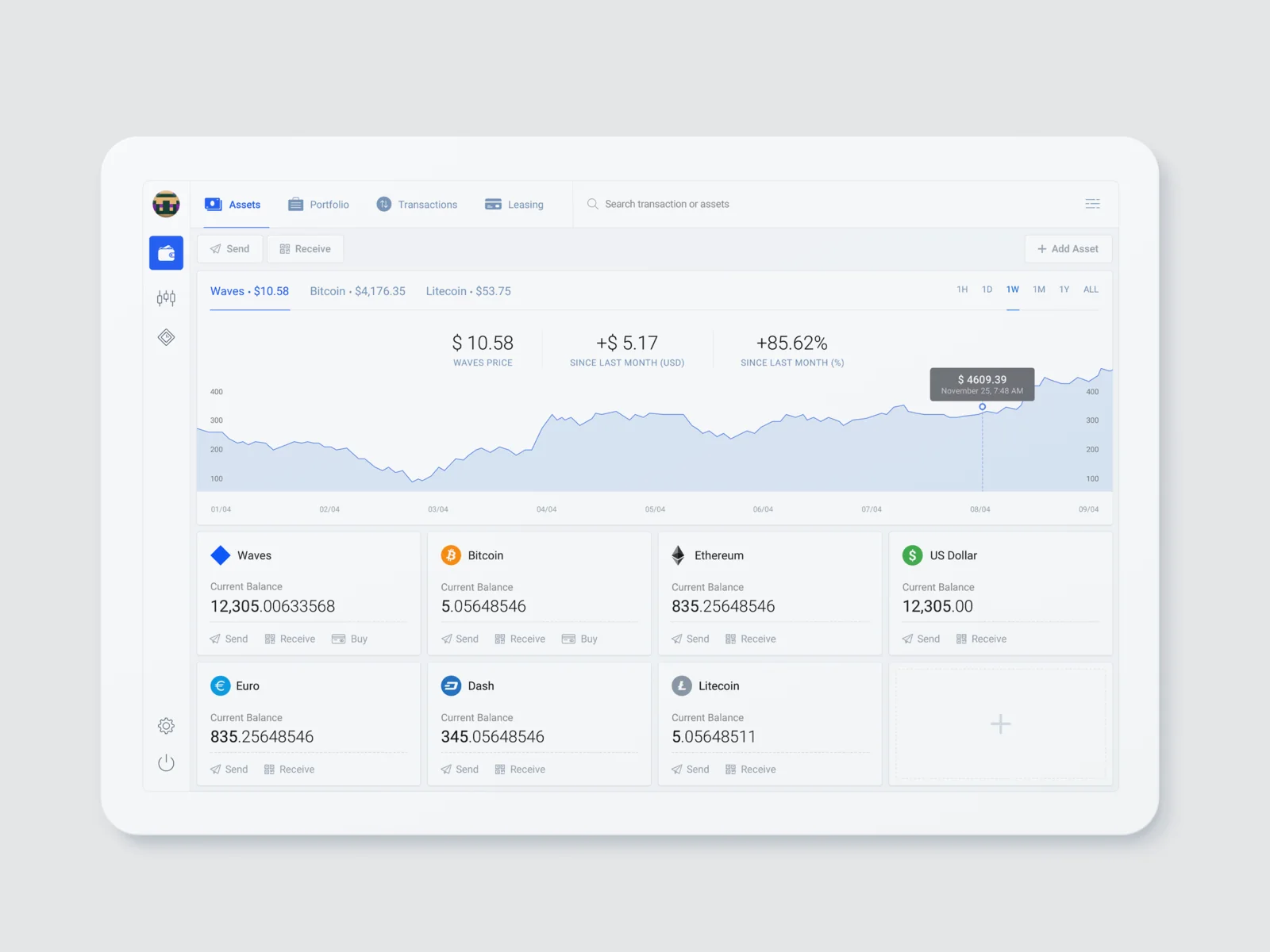
In 2017 most people kept crypto on an exchange that held it for them. The new Waves Client put a decentralised exchange and a token launcher inside the wallet, for people who had never used a command line. I set its product and design direction and directed the identity ONY designed.
- active wallets during the beta, December 2017 to July 2018
- 330K
- about 47,000 a month over the seven-month beta
- CryptoNinjas
- to issue a token and trade it on the built-in exchange
- < 60 s
- where issuing one usually meant writing a smart contract
- Waves
In its time
A year before Uniswap, the exchange lived in the wallet.
In 2017 buying a token usually meant an account on an exchange that held it for you, and issuing one meant writing a smart contract. Waves let a person hold, trade and issue tokens from one app, with the keys on their own device.
2017
Waves puts its decentralised exchange live on mainnet, at first through a full node or the API. Cointelegraph
I join Waves as Director of Product.
The new Waves Client goes into beta at a launch in Amsterdam: wallet, redesigned exchange and token launcher, under the new identity. Waves
2018
The client leaves beta after 53 releases. During the beta: 330,000 active wallets and 90,000 traders. CryptoNinjas
Uniswap launches on Ethereum. Contrary Research
2019
2020
MetaMask adds token swaps inside the wallet. The Block
My workThe field
The product
Hold, trade and issue, from one screen.
Elsewhere these were three products: a wallet, an exchange and a way to create tokens. The Waves Client joined them. A wallet with gateways for bitcoin, ether and fiat currencies; a decentralised exchange with an order book, where funds stayed in your own wallet until a trade settled; and a token launcher that issued a token in under a minute and listed it on the same exchange.
Most people opening the client had never traded, and many had never held a key. So the client opens on what you own and what it is worth, with send, receive and exchange on every asset. The full exchange is one step further in, for the people who want it.
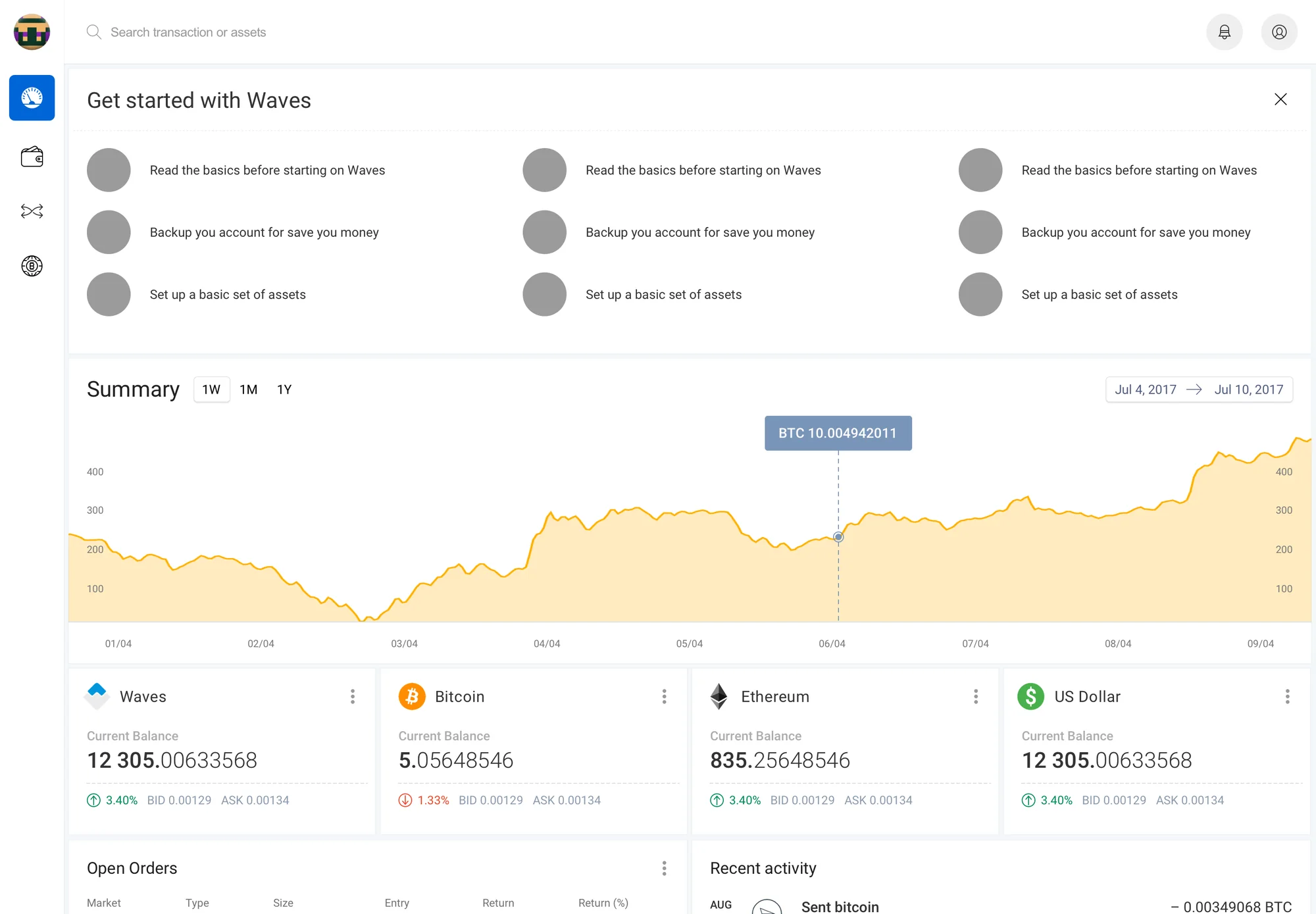
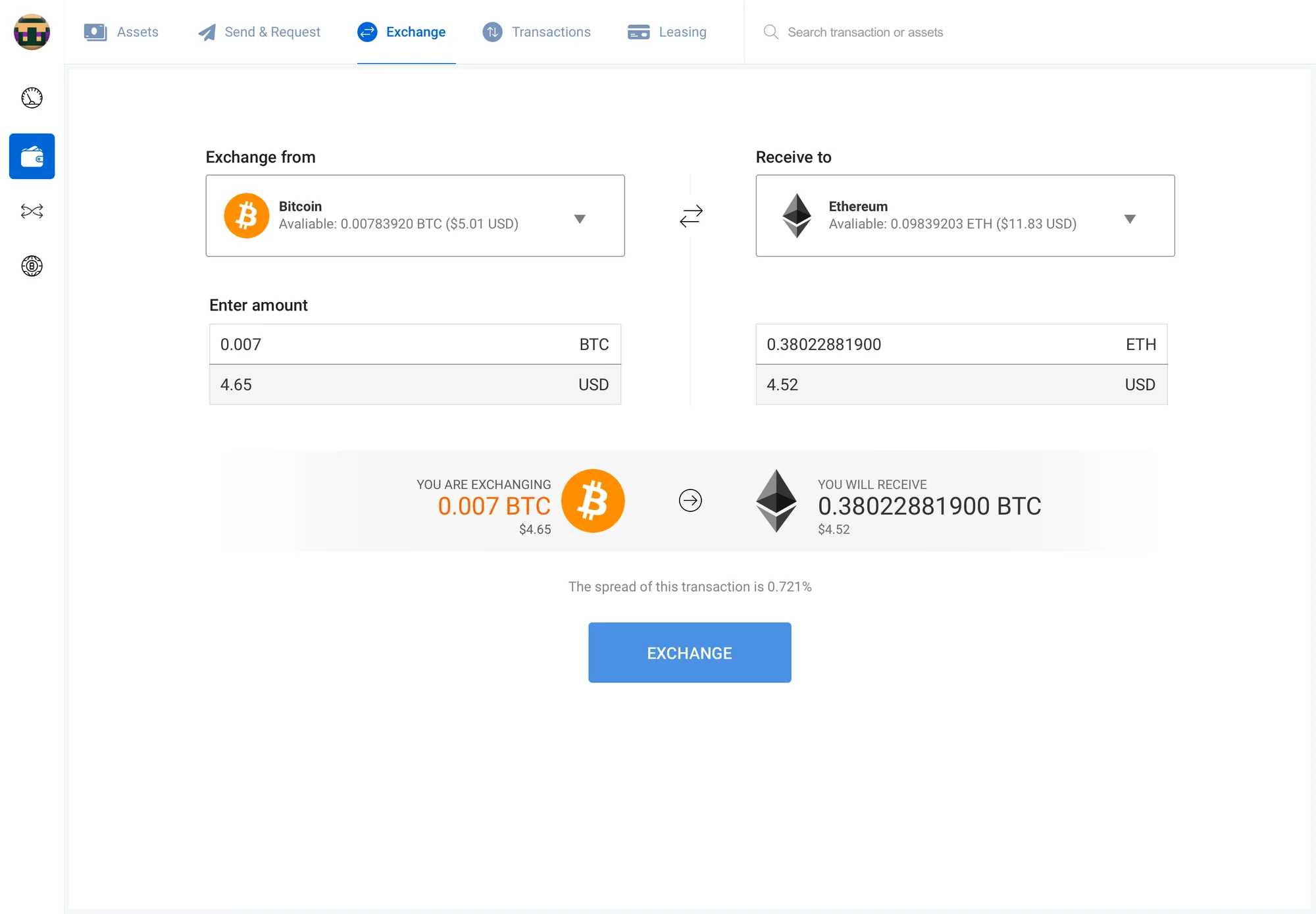
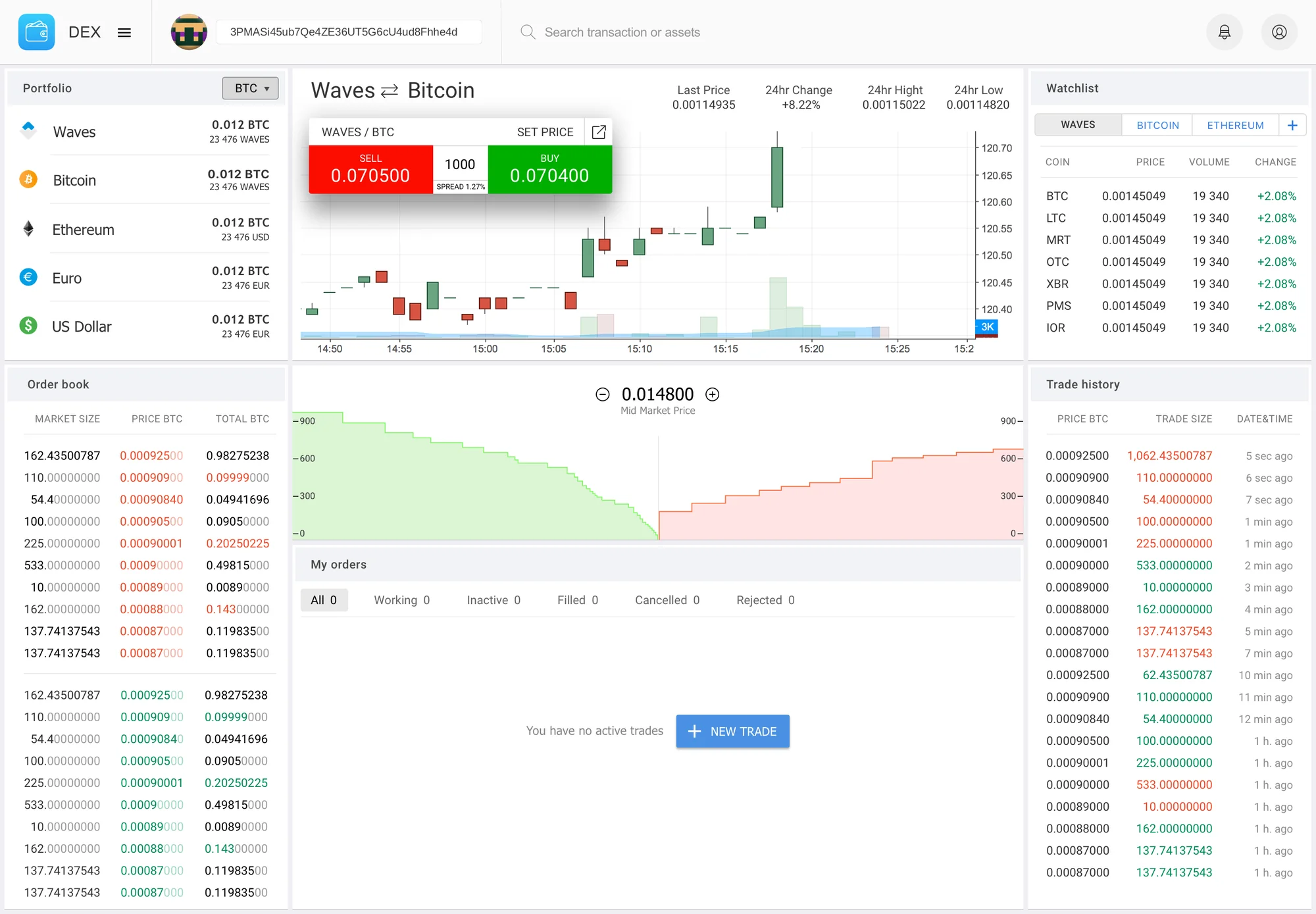
The wallet, a swap and the full exchange, in one client. Waves working files, 2017 · sample balances and prices.
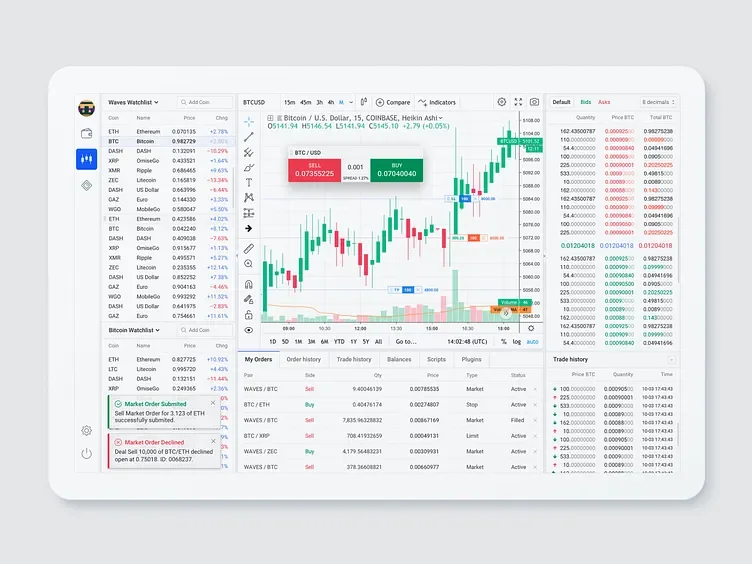
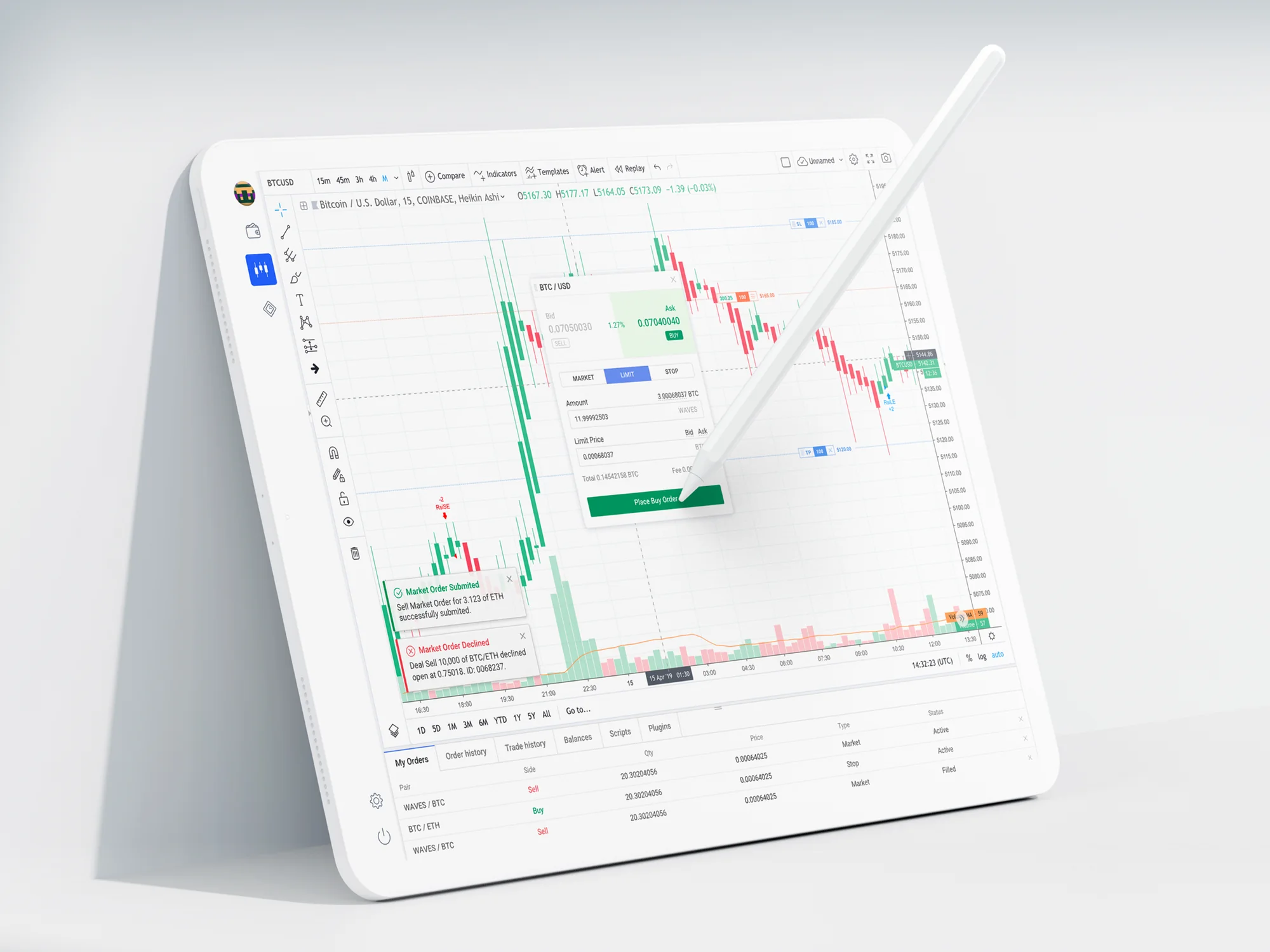
The full exchange, and the order ticket on a tablet. Published on Dribbble, 2017 · sample prices.
The identity
Get started with blockchain.
Waves needed one brand for very different people: traders, developers, companies issuing tokens, merchants and people buying their first crypto. I briefed ONY and directed the work on the Waves side, then carried it into the product and the design system.
ONY drew the mark as an antithesis to circles and coins: a diamond tipped off its axis, money with no physical form. Around it, a language that is technical without being cold, so a first-time buyer and a developer could both feel it was for them.
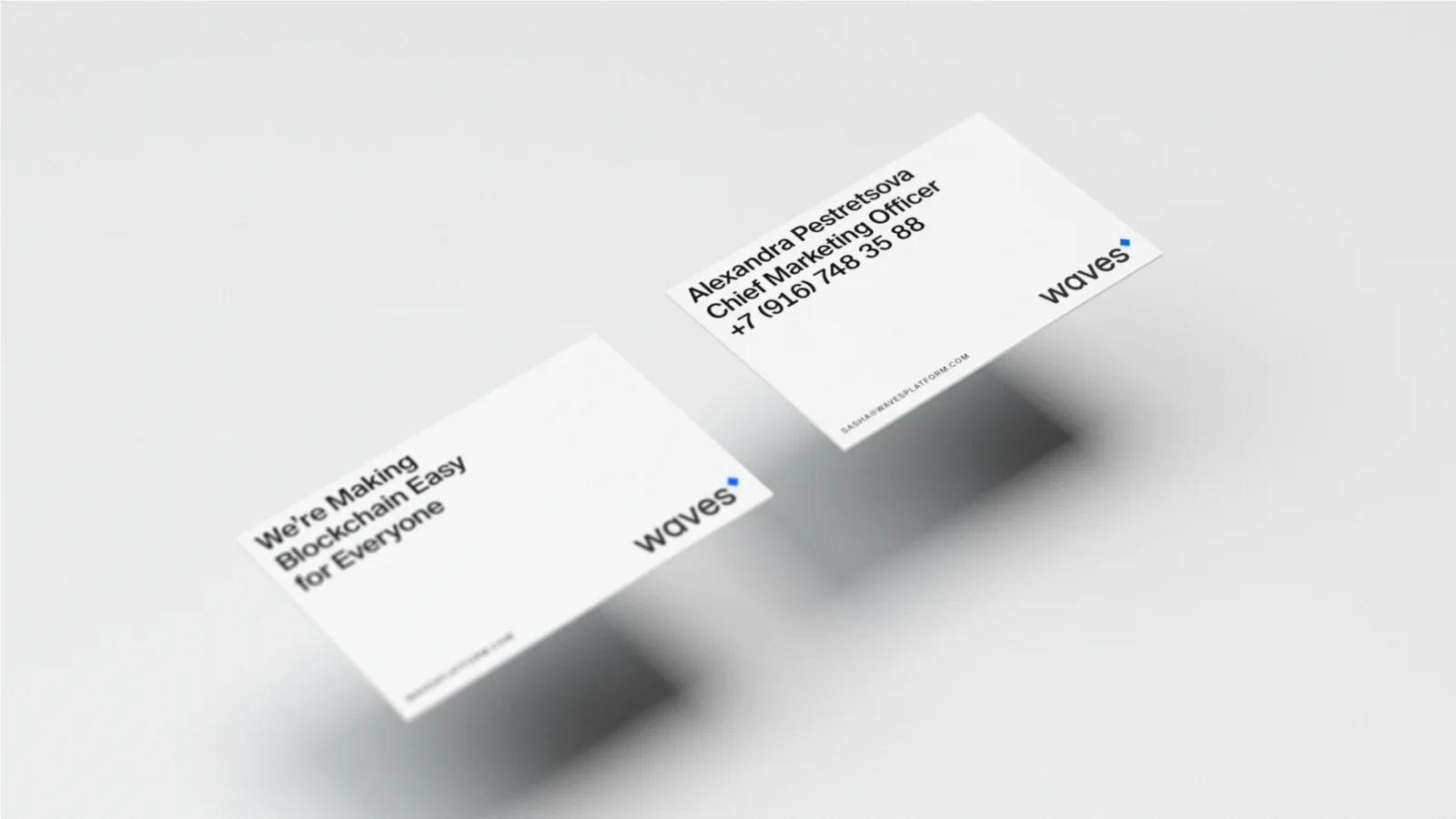
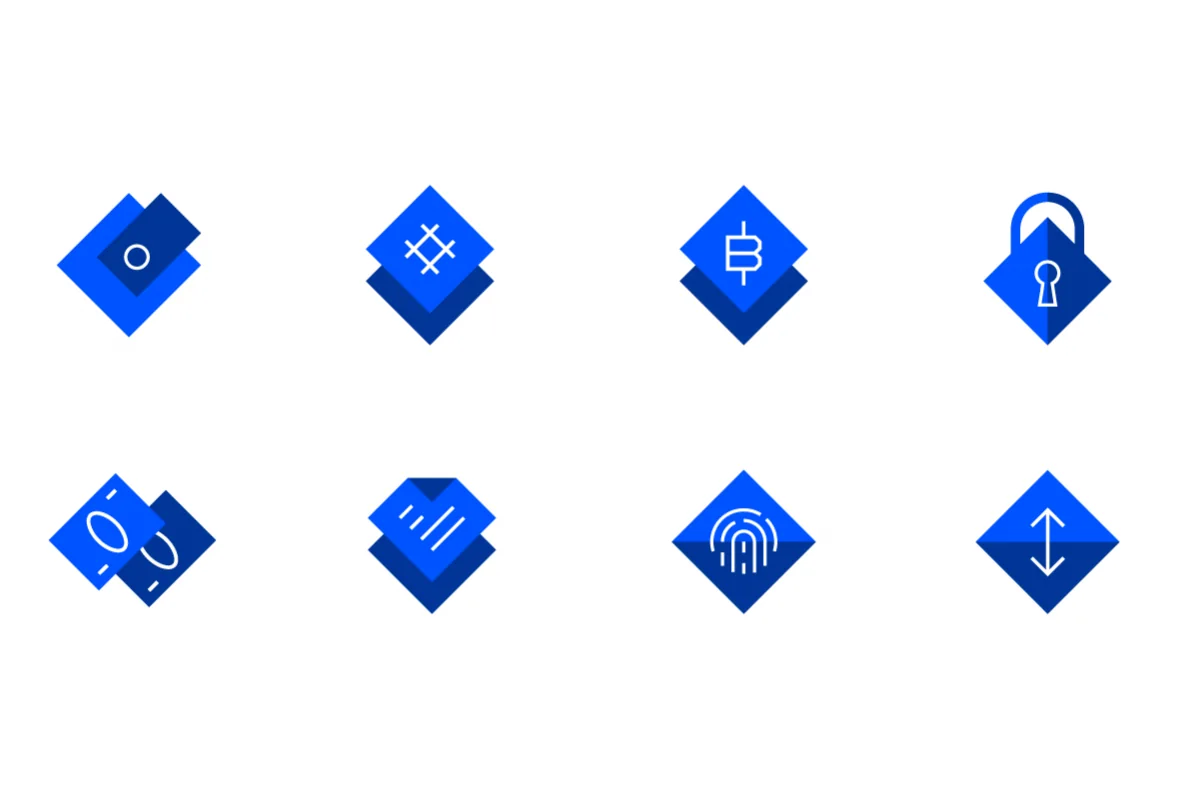
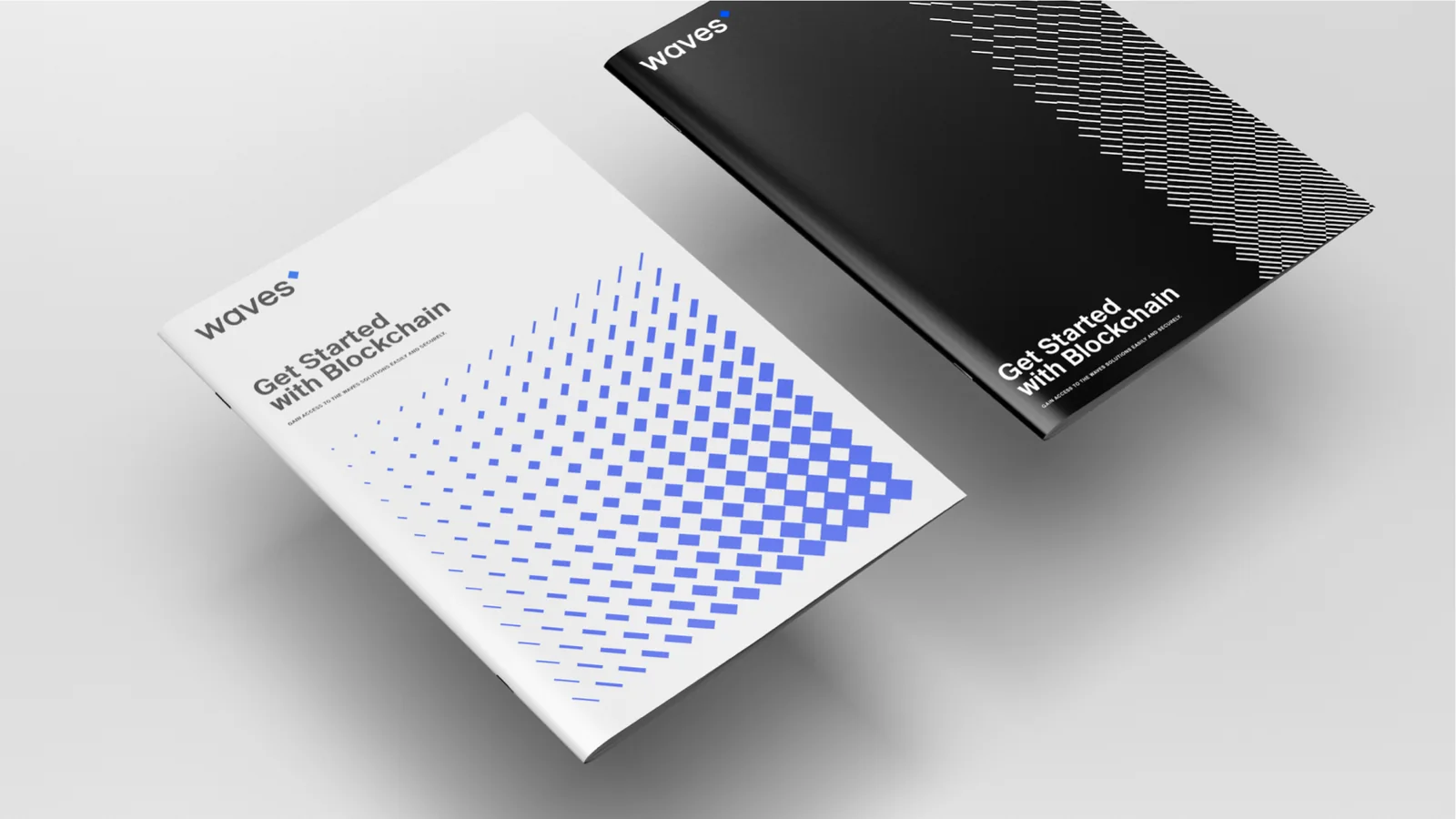
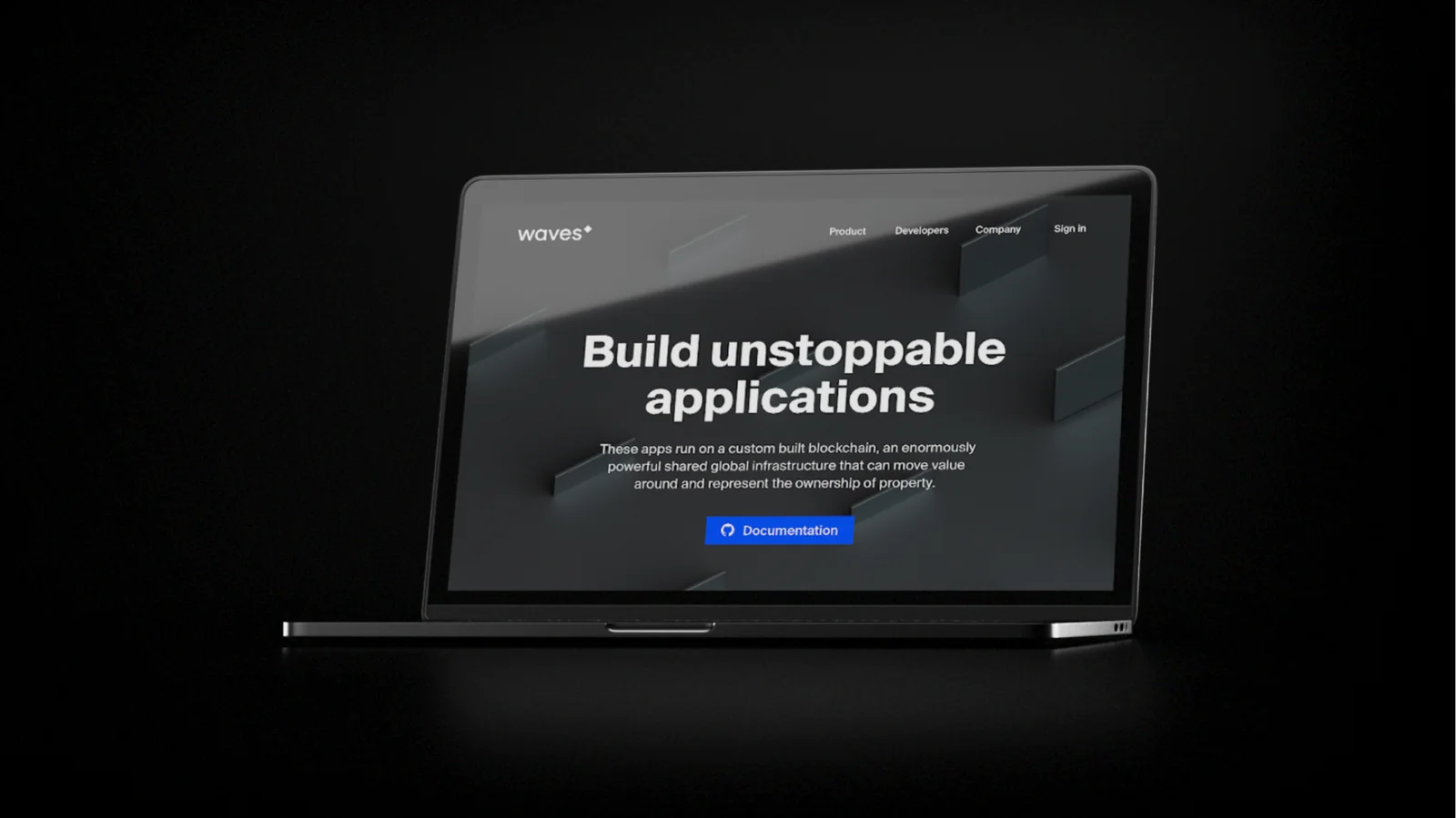
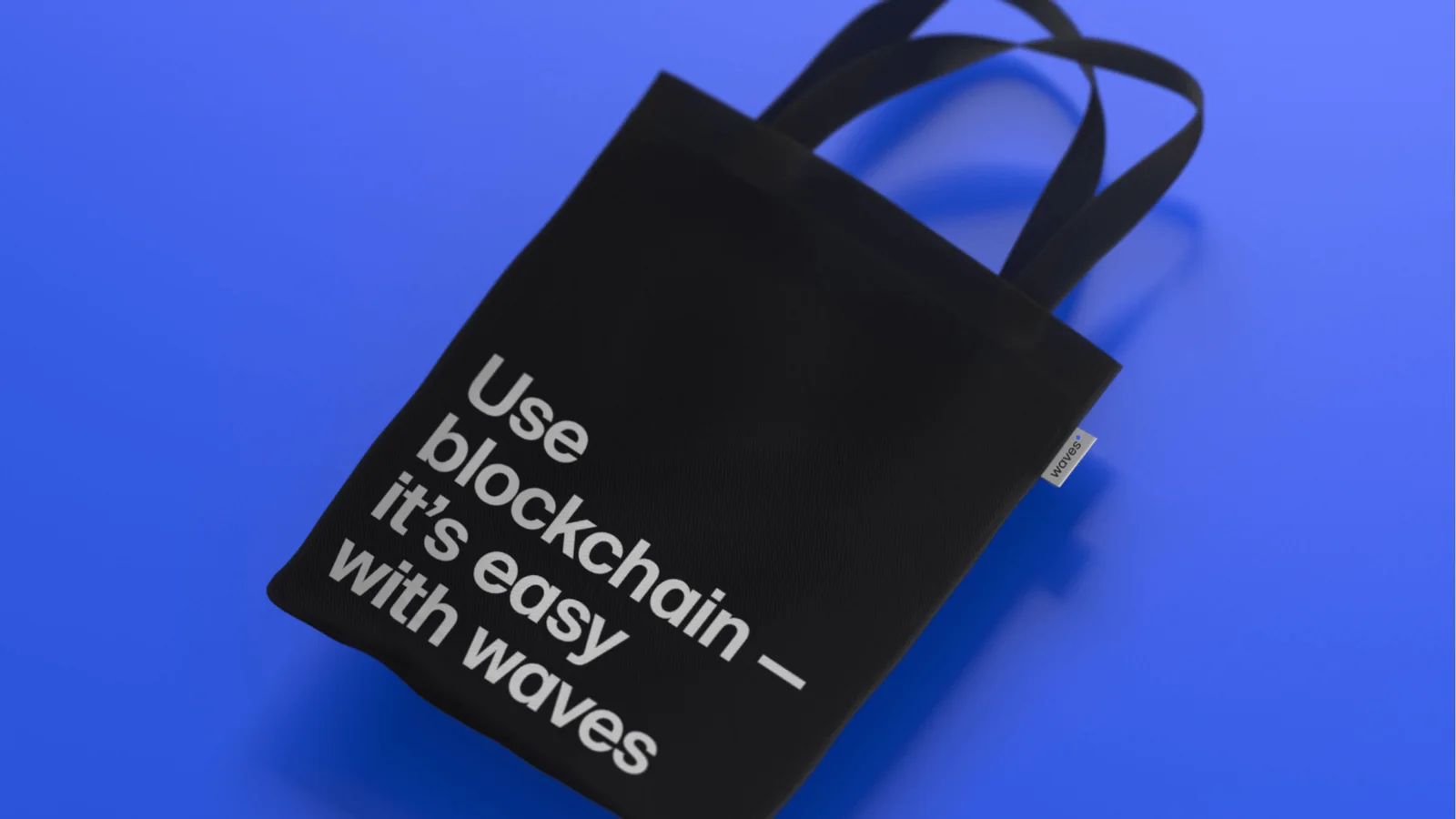
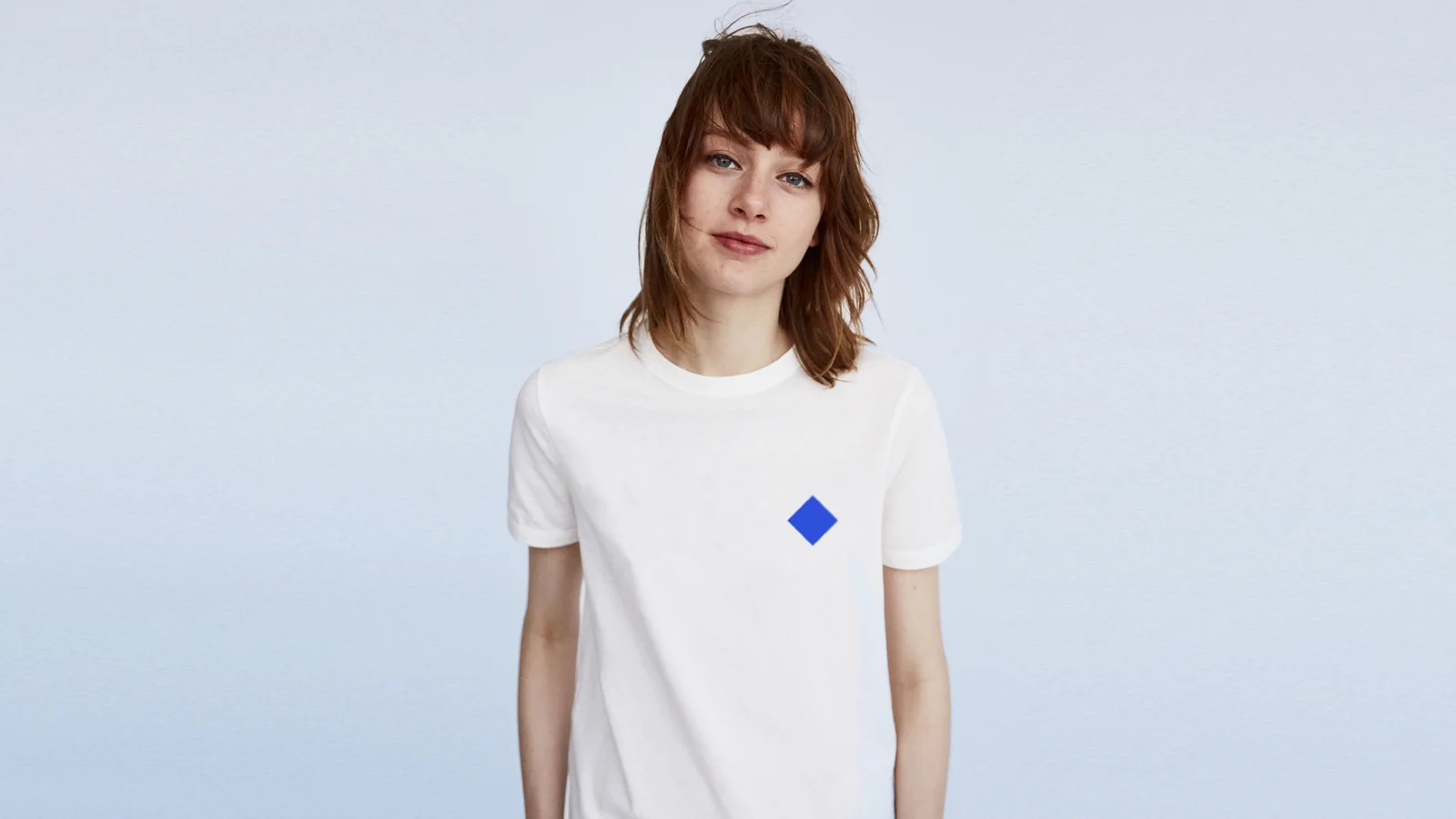
Identity by ONY, Moscow, for Waves, 2017. Briefed and directed on the Waves side by me; images and film by ONY.
The decisions
Three calls that shaped it.
- 01
The exchange lives in the wallet.
Funds stay in your own wallet until a trade settles. Elsewhere you deposited to trade; here the order book came to the keys.
- 02
Open on what you own.
The client opens on balances and their worth, with send, receive and exchange on each. The full exchange, with its order book and depth, is one step further in.
- 03
Each screen teaches the idea it relies on.
A token list, a signed but unmatched order, a key as the account: none had a convention yet, so the screen that used one explained it.
What lasted
Early is a design problem.
In 2017 there were no conventions for any of this. No one had agreed what a token list should look like, how to show an order that was signed but not yet matched, or how to explain that a key on your device was the account. Each screen had to teach the idea it relied on.
The client left beta in July 2018. Trading from your own keys, inside the wallet, became the default soon after, first through Uniswap and then as the swap tab in every wallet. The order of the first screen, what you own before what you can do, is the one I carried to De.Fi and to Trust Wallet.
Credits
Product and design direction by me as Director of Product, with Waves’ product, design and engineering teams.
Identity by ONY, briefed and directed on the Waves side by me.
Sources
- Cointelegraph: Waves debuts DEX, March 2017
- Waves: Waves Client major release, the beta and what the client includes
- CryptoNinjas: fully reworked Waves Client out of beta, 24 July 2018
- Waves: 2017 roundup, the year in review
- ONY: Waves, get started with blockchain, the identity
- Contrary Research: Uniswap Labs, Uniswap’s launch
- The Block: MetaMask adds token swaps, October 2020
- Dribbble: Igor Pugachevsky, the published shots
Product screens are Waves working files and published Dribbble shots from 2017; balances and prices are sample data. Identity images and film are ONY’s.