Venture · 2019 · Founder
Hyperlens
A camera that sees the city as an interface.
- The problem
- Augmented reality had no common layer: nothing in the street for anyone to find, own or pay for.
- What I did
- Founded it, conceived and designed the product, and took it to a working prototype that joins the camera to a wallet. ONY helped render and visualise it.
- What happened
- It didn’t launch: development stopped when the funding ended.
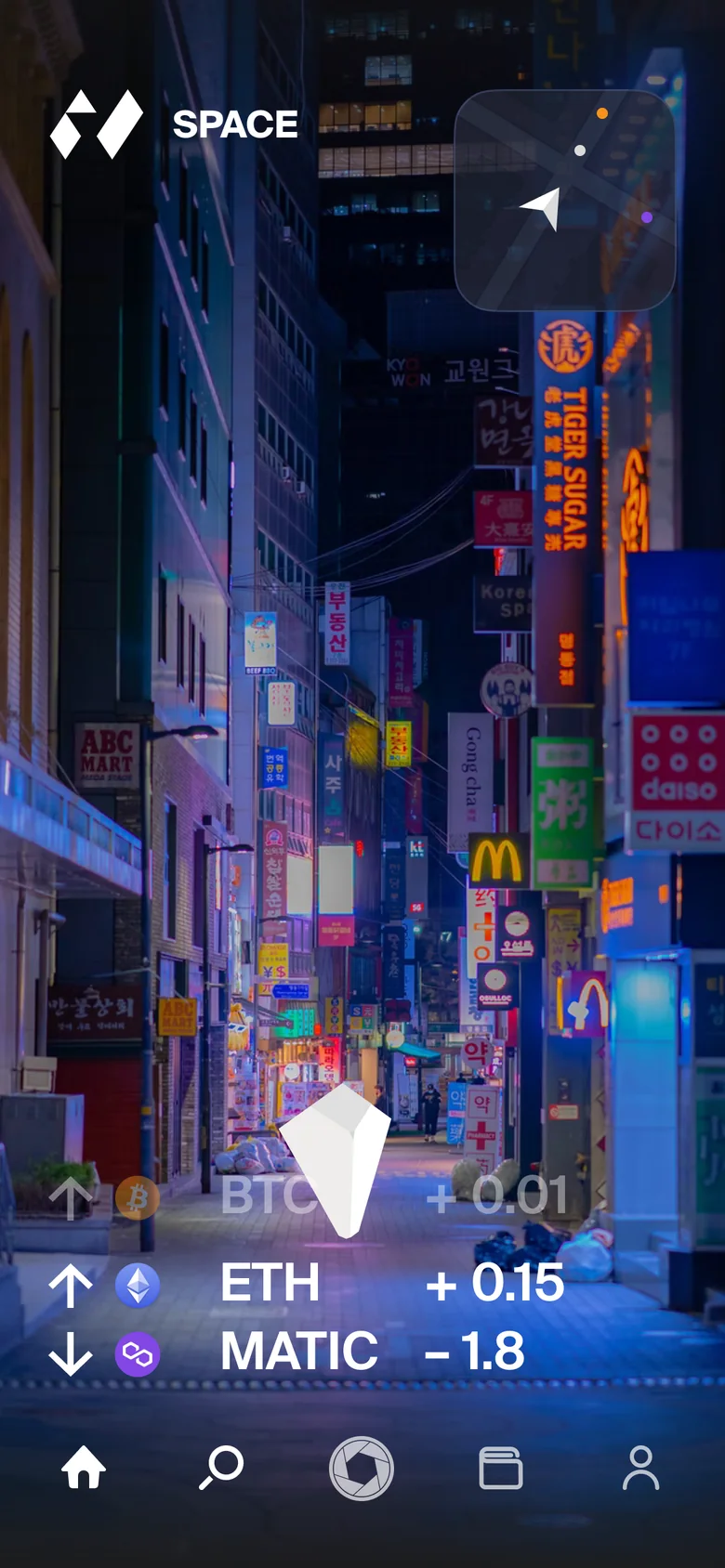
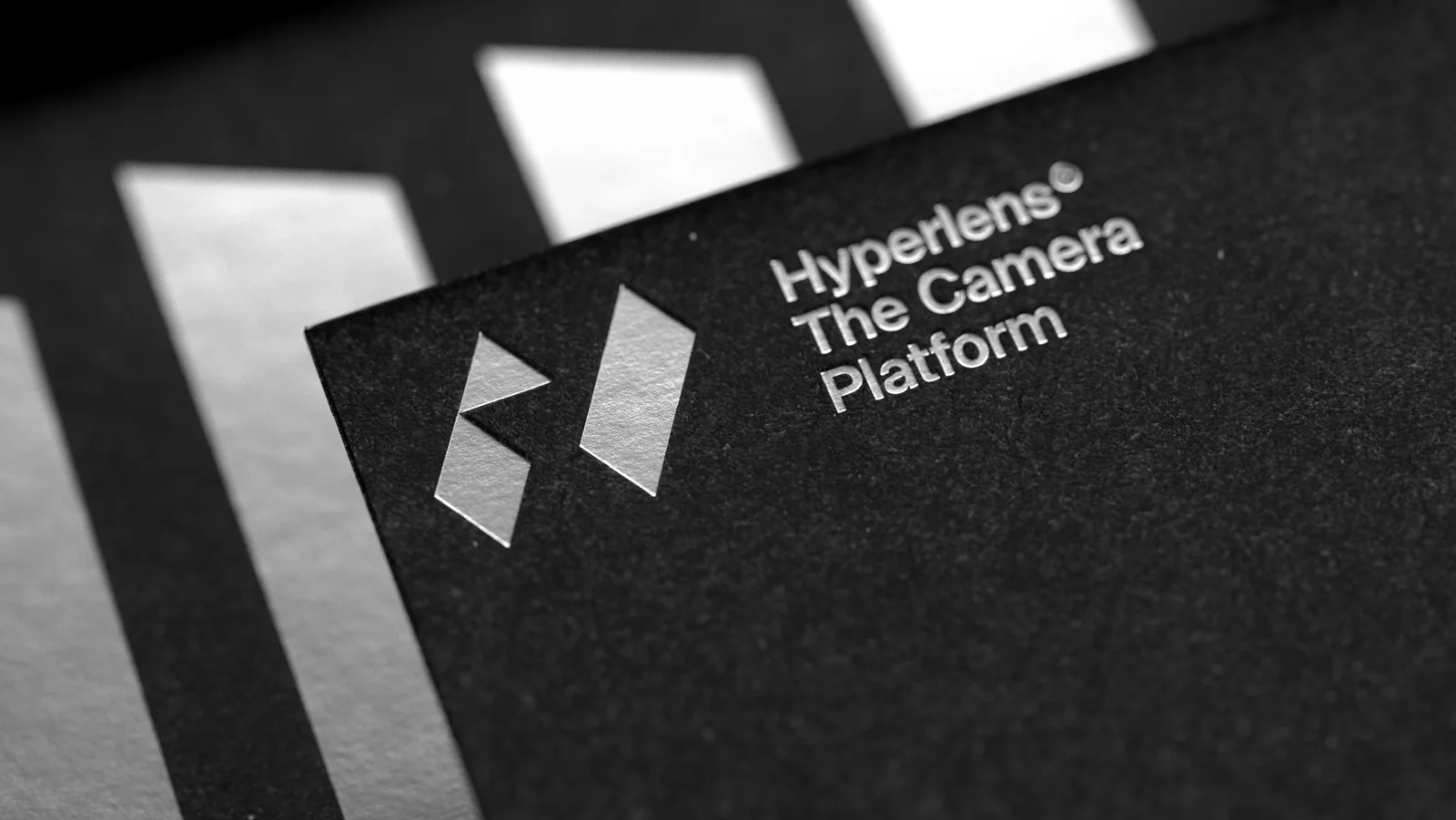
Hyperlens was my own venture: a mobile platform for augmented reality, where artists, musicians and services could leave things in the street for anyone looking through a phone. I conceived and designed it and took it to a working prototype; ONY helped render and visualise it. It never launched.
The idea
Reality as the interface.
Look at a street through your phone and see what people have left there: an artist’s gallery on a blank wall, a way to tip the musician on the corner, the history of the building in front of you, a route drawn on the pavement, friends visible in the crowd. Hyperlens was a platform for that layer, open to any developer.
My white paper put it in one line: the camera is a platform, the lens is an application. Lenses were invisible, programmable layers of data that a phone’s camera detects: HyperSpace for objects and art, WikiLens for what a place is, NavLens for a route drawn on the street. A wallet sat underneath, so what people left and found could be owned, sent and earned.
I founded it, conceived and designed the product, and took it to a working prototype. I hired ONY to help render and visualise my product and design, including a film for investors, and worked closely with them.
The investor film, rendered by ONY: what the city looks like through the camera.
The prototype
Money where you are standing.
The prototype joins the camera to a wallet. What you find in the street is something you can own, send or earn, so the wallet lives one tap from the camera instead of in another app.
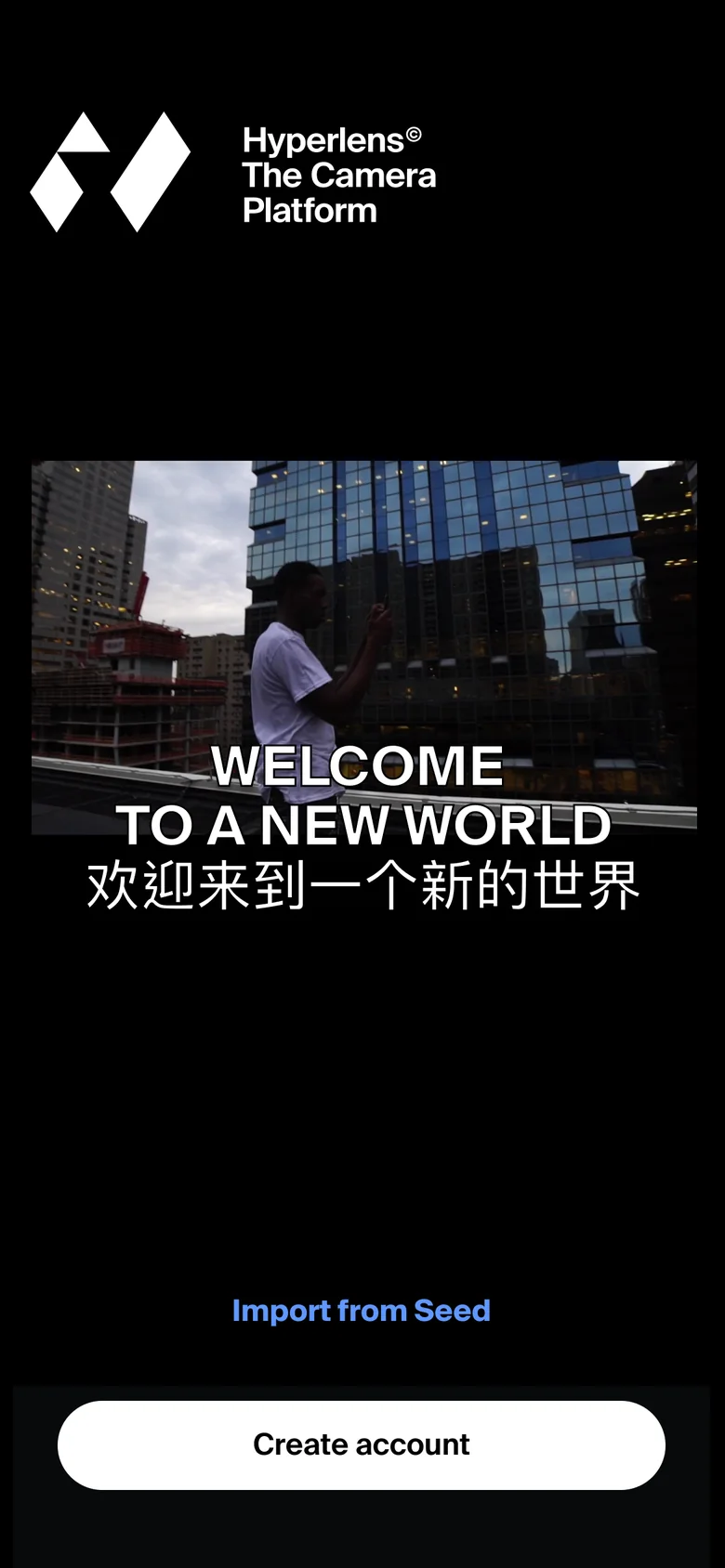
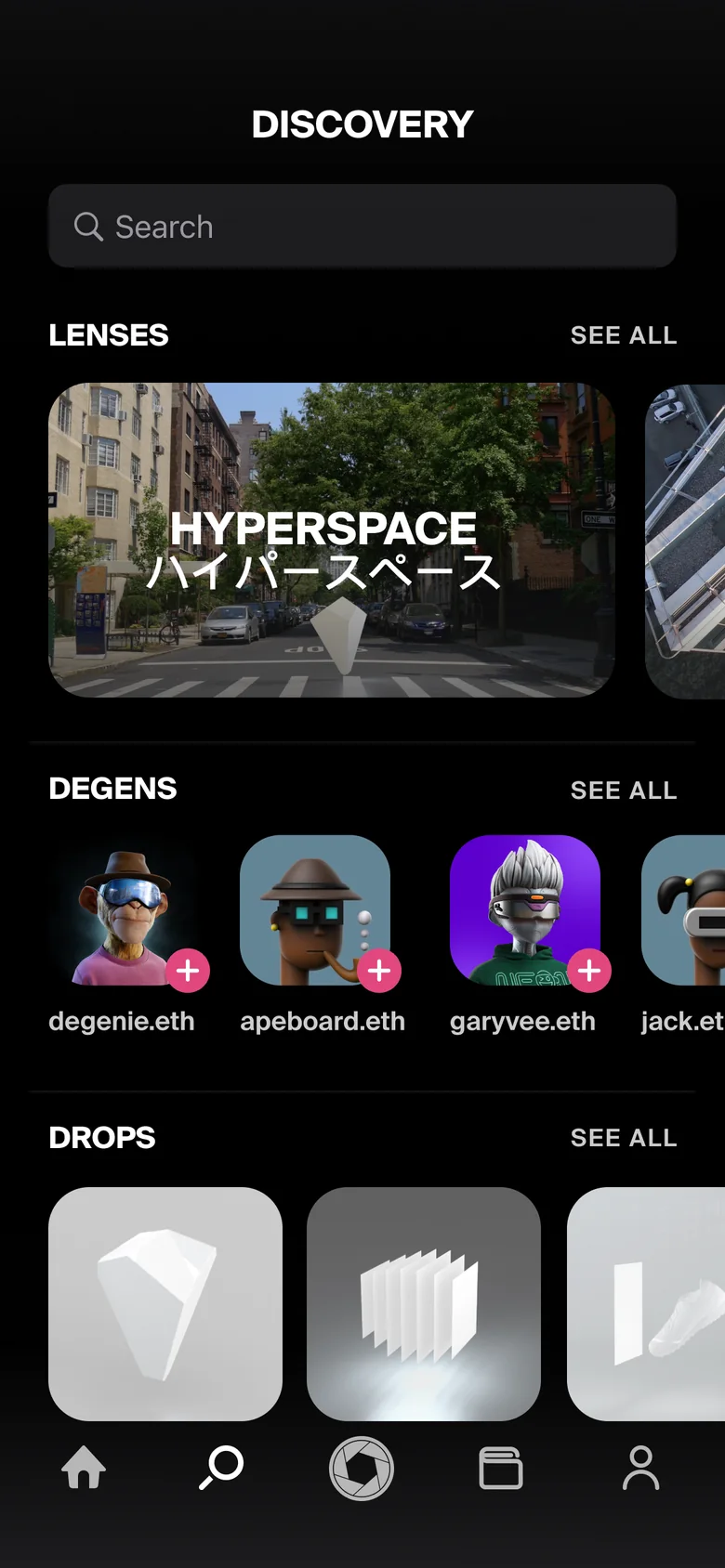
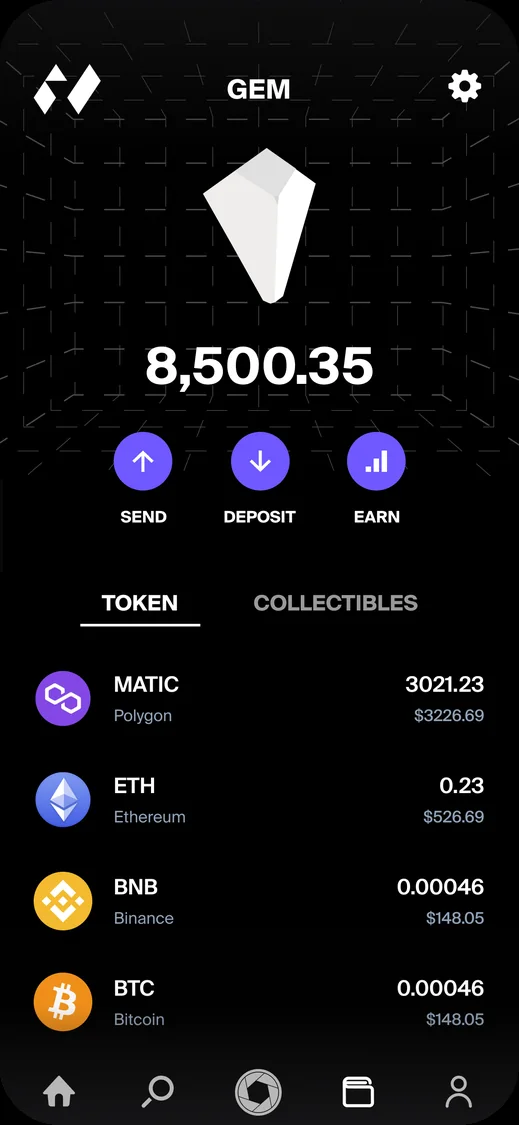
Welcome, the camera, discovery and the wallet. Hyperlens prototype · sample balances and names.
Left: the working prototype in a real street, recorded on 30 December 2022. Right: concept films for NavLens, the route drawn on the city.
The brand
Don’t compete with reality.
AR graphics can’t out-detail a city, so the design didn’t try. Its concept, Reality OS, is a blank and quiet language that contrasts with the noise of the street. The H is two bright planes with the bar as empty space, extruded so it stands in three dimensions; type is Suisse Int’l. Every line is set in Latin and Chinese, because the launch markets were the United States and China.
Hyperlens didn’t launch. Development stopped when the funding ended.
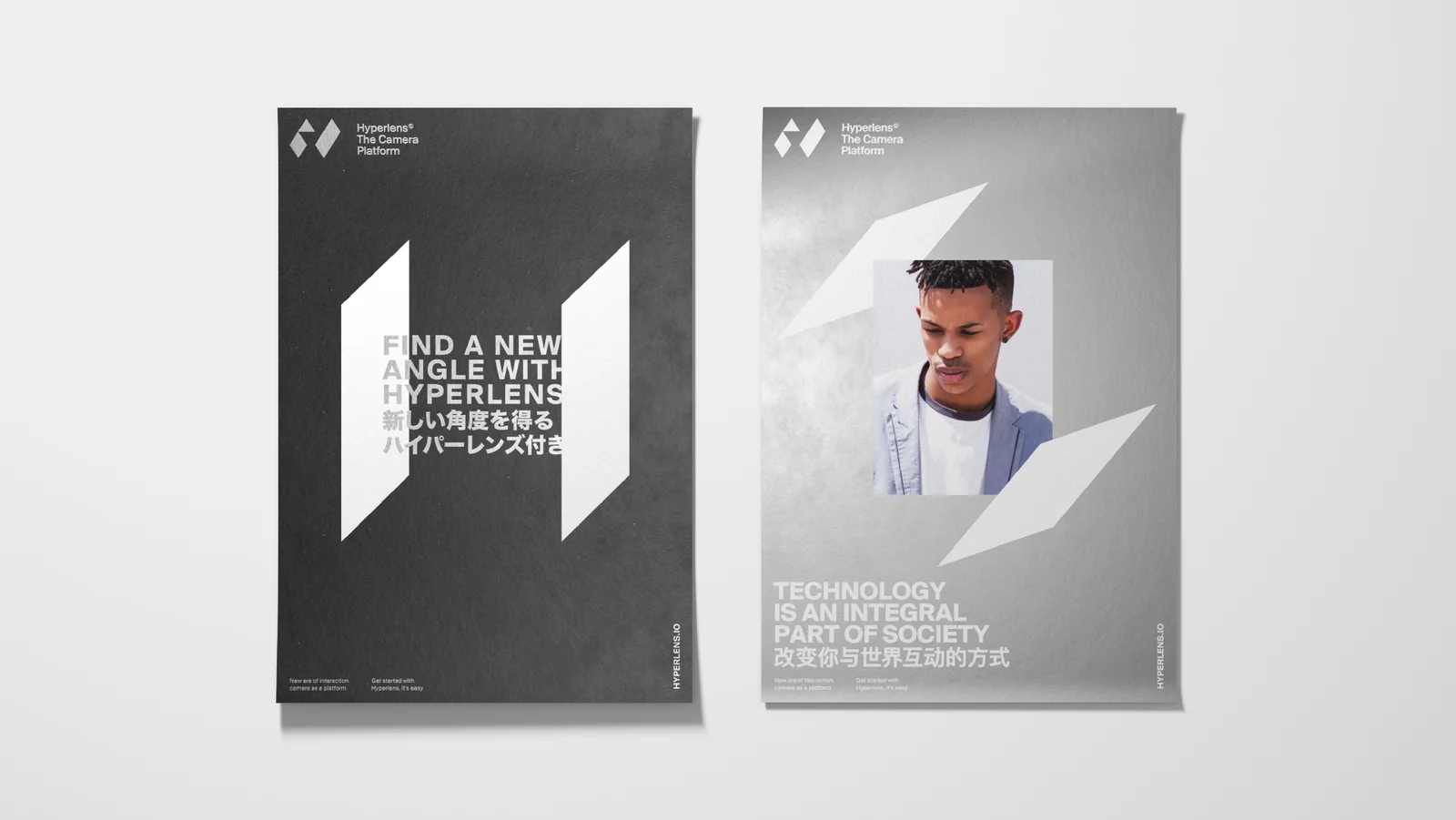
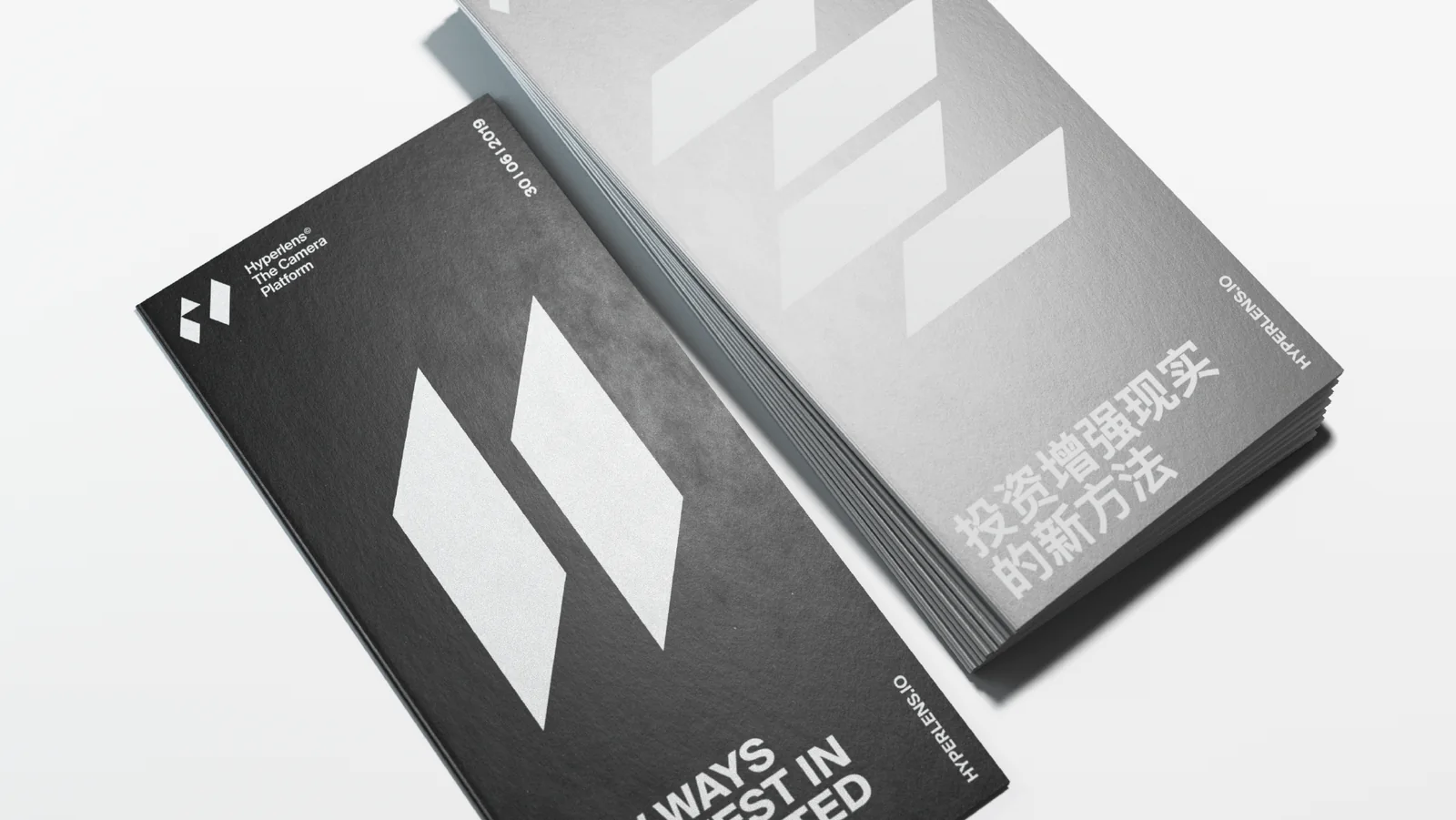
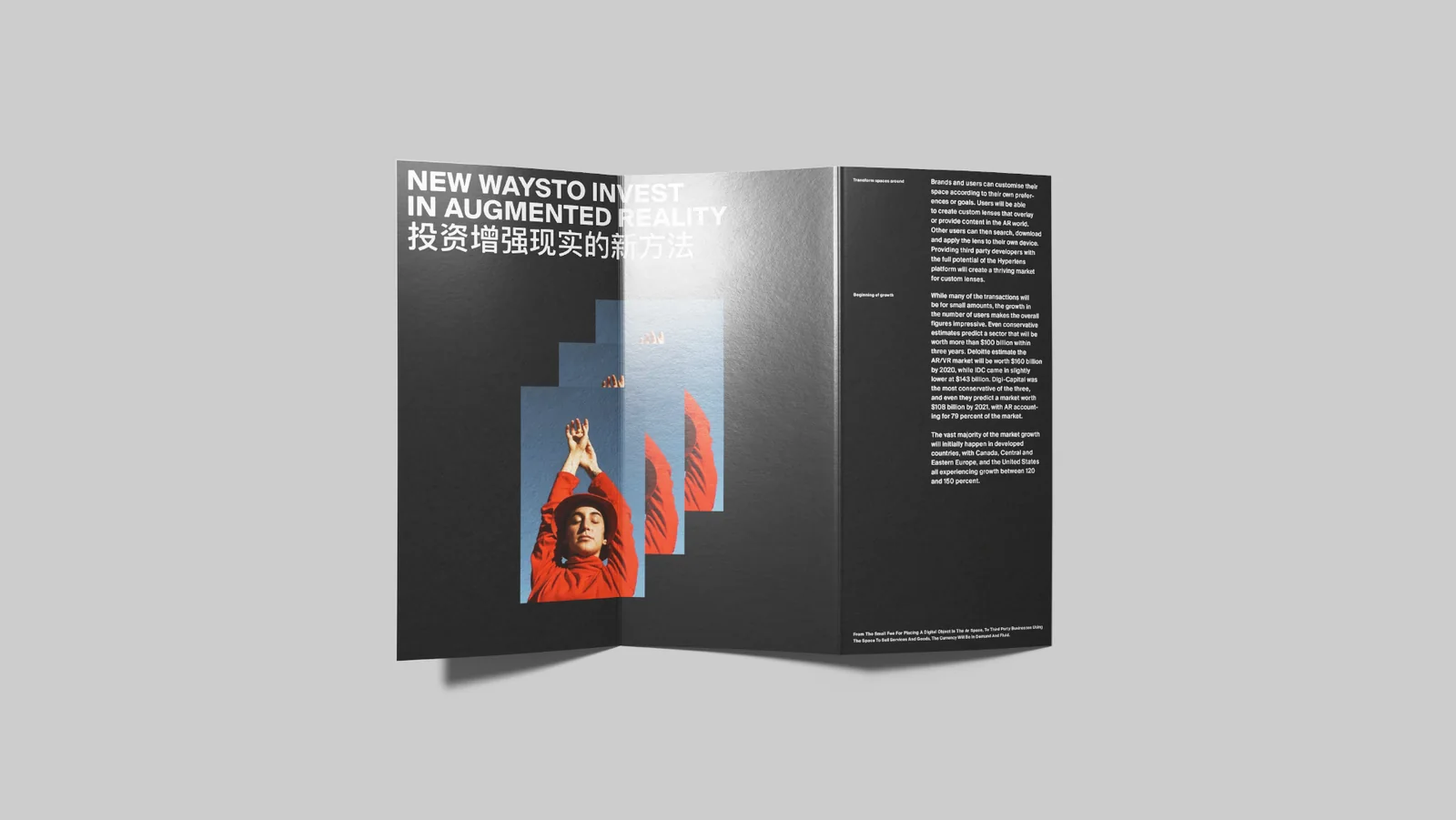
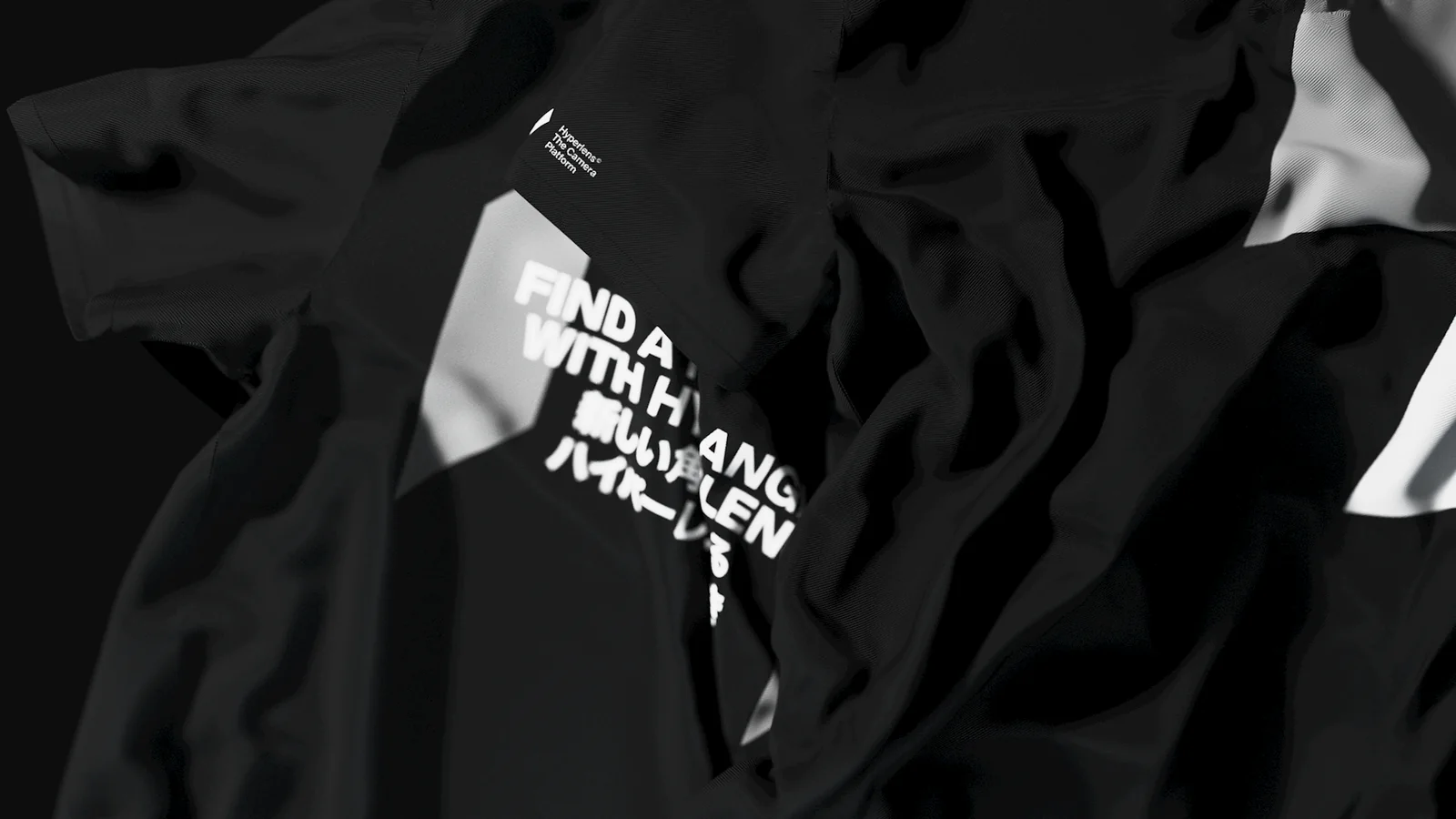
My product and design, rendered and visualised by ONY, Moscow, working closely with me. Images and film by ONY.
The decisions
Three calls that shaped it.
- 01
The camera is the platform; the lens is the application.
One line from the white paper decided the architecture: lenses are layers any developer can publish, and the camera is where a person meets them.
- 02
The wallet is one tap from the camera.
What you find in the street can be owned, sent or earned, so money sits under the camera rather than in another app.
- 03
Don’t compete with reality.
The city already has all the detail. The brand and the interface stay blank and quiet, so what is placed in the street reads against it.
What lasted
The phone as the thing that watches.
Hyperlens didn’t launch. Two ideas did carry. The phone as the device that watches the world while another surface acts on it is how I later split De.Fi between the iPhone app and the web. And the discipline of not competing with what is already there, in a street or in a product, is in every quiet screen since.
Credits
Concept, product and design by me, as founder. Rendering and visualisation by ONY.
Sources
- ONY: Hyperlens, the camera platform, the renders and the film
- Hyperlens white paper, version 0.1, by me as founder: the platform, the lenses and the token model. Private document
App screens are prototype frames with sample balances and names. Rendered images and film are ONY’s.